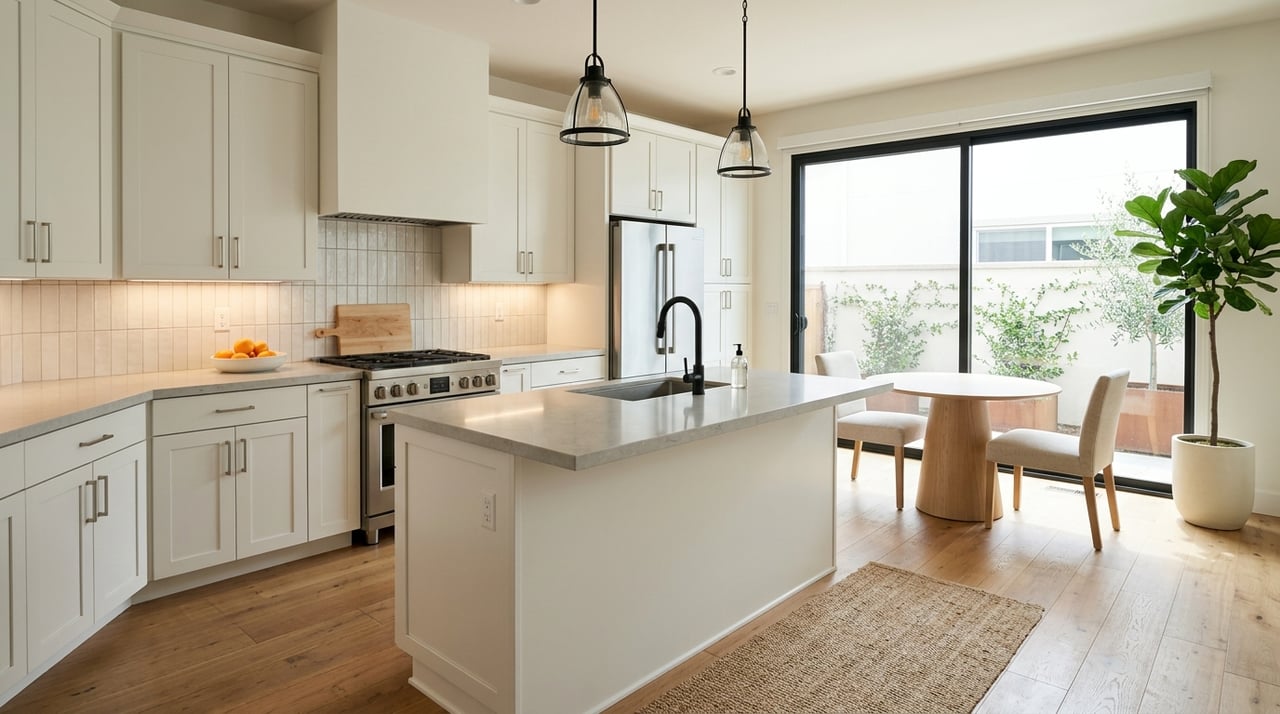
Preparing Your Morgan Hill Home For A Confident Sale
June 18, 2026
June 18, 2026
Selling your home in Morgan Hill can feel like a big project, especially when you want to get the timing, prep, and pricing right. The good news is that this market still rewards sellers who plan ahead and present their homes well. With the right steps, you can reduce surprises, support your asking price, and head into listing week with more confidence. Let’s dive in.
Morgan Hill remains a seller market, but that does not mean every home sells the same way. Recent market snapshots show homes selling in roughly 11 to 21 days, depending on the source and time period, with homes often closing near list price when they are well presented and priced from current local conditions.
That creates a clear opportunity for you as a seller. If your home is clean, photo-ready, and backed by solid documentation, you may be in a stronger position to attract attention quickly and avoid preventable delays or concessions.
Before you think about major remodeling, focus on the improvements buyers notice first. A measured approach often goes further than an expensive overhaul, especially when your goal is to make the home feel cared for, functional, and easy to picture living in.
Practical pre-sale updates often include:
These steps help your home show better in person and in listing photos. In a market where buyers move quickly, presentation can shape first impressions fast.
Staging can be one of the most useful tools when you are preparing to list. According to the National Association of Realtors' 2025 staging research, 83% of buyers’ agents said staging made it easier for buyers to visualize a property as a future home.
The same research found that 49% of sellers’ agents said staging reduced time on market, and 29% reported a 1% to 10% increase in the dollar value offered. The median cost of using a staging service was reported at $1,500, which can help you frame the decision as part of your broader selling strategy.
If you do not want to stage every room, focus your budget where it tends to matter most. The most commonly staged rooms are:
In many cases, selective staging gives you the best balance between cost and impact.
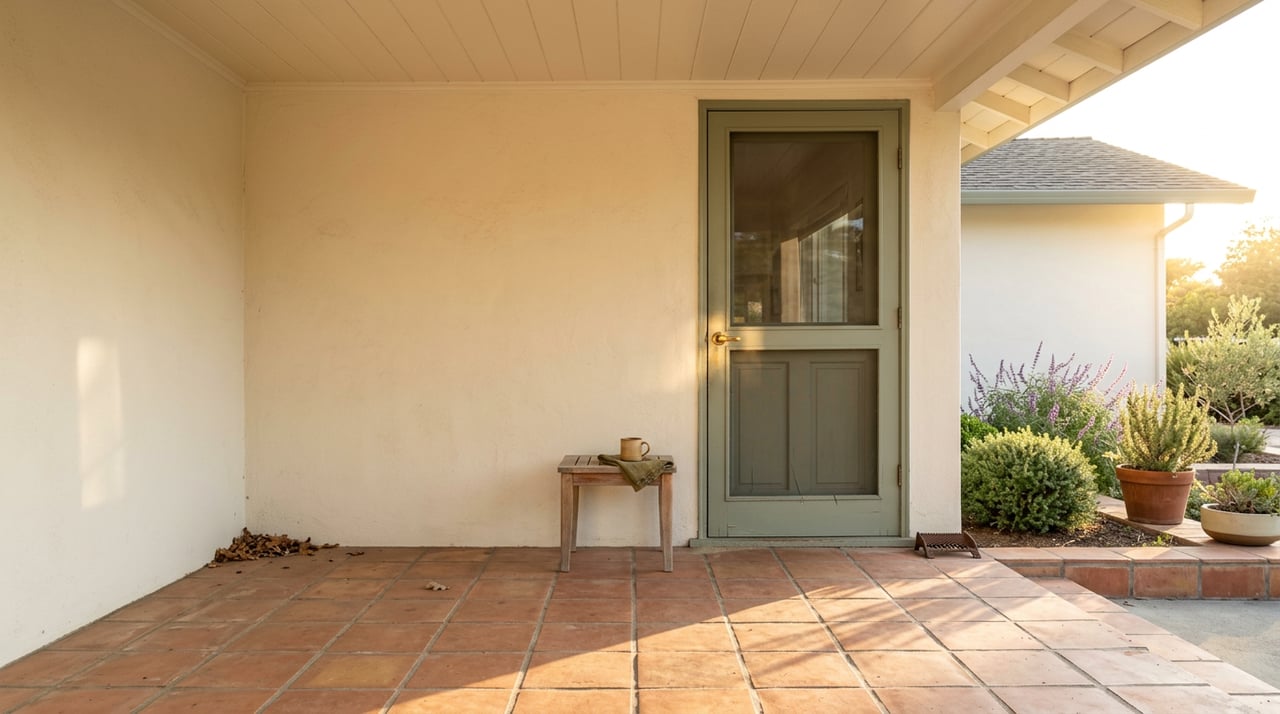
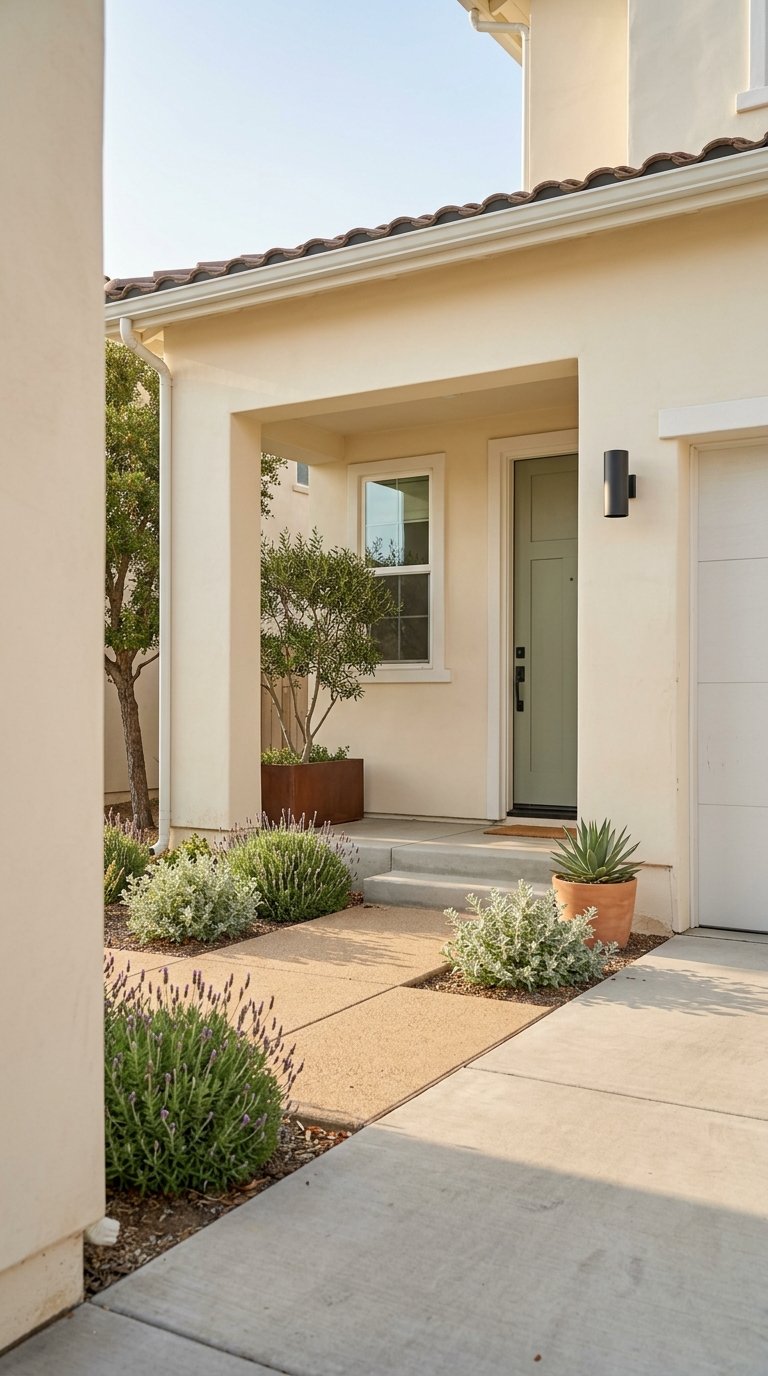
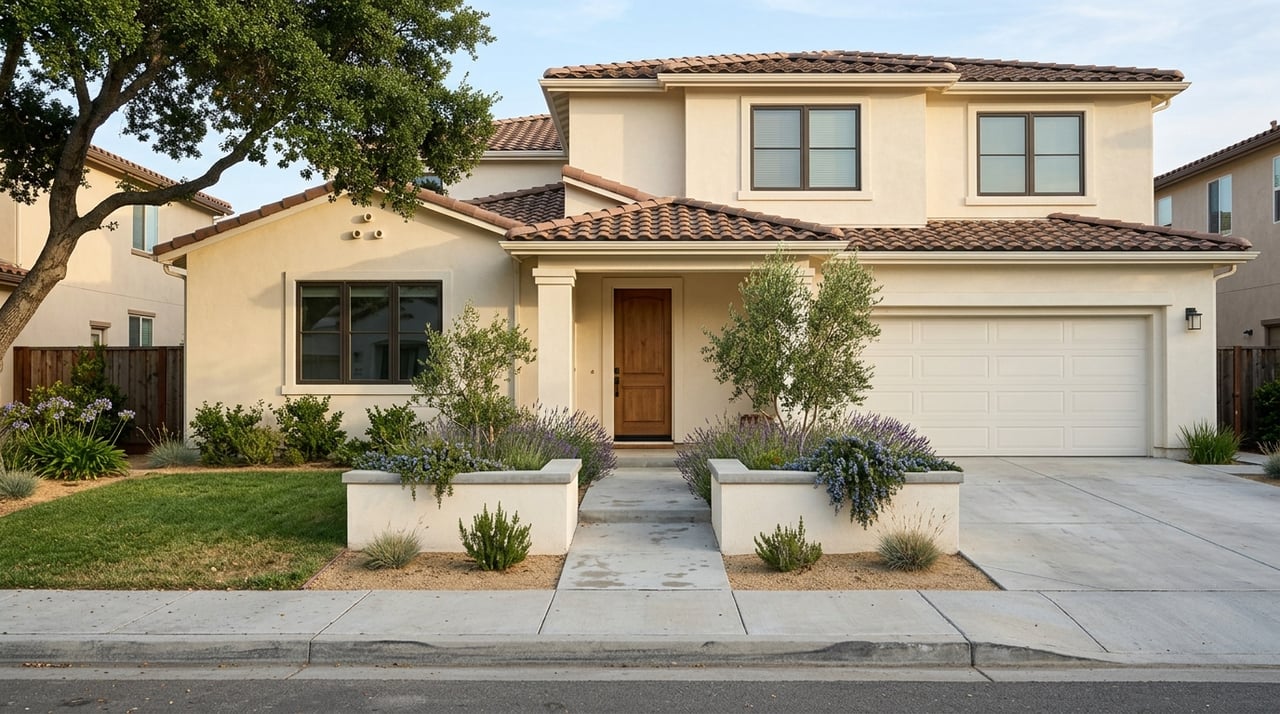
Your exterior sets the tone before a buyer even walks through the front door. That is why curb appeal deserves attention early, not the day before photos.
Simple improvements can make a meaningful difference, including trimmed landscaping, a tidy walkway, a clean front porch, and fresh-looking paint or touchups where needed. In a place like Morgan Hill, where buyers may compare several homes in a short period, a clean and welcoming exterior can help your property stand out right away.
A pre-sale inspection is not required, but it can be a smart move if you want fewer surprises once your home hits the market. It may identify issues in the roof, plumbing, electrical systems, heating and cooling, interiors, and ventilation or insulation.
Depending on the property, an inspection may also reveal concerns such as mold, radon, lead paint, or asbestos. Even if you decide not to complete every repair before listing, getting estimates for significant issues can help you make more informed decisions about pricing, disclosures, and negotiations.
This step matters more than many sellers realize. In Morgan Hill, permit rules can affect both past improvements and any work you plan to do before listing.
The city states that a permit is required for any new building, addition, alteration, repair, or change in use for an existing structure. At the same time, painting, papering, carpeting, and similar finish work generally do not require a building permit.
For sellers, the key is not to assume a project is permit-free just because it seems minor. You should be especially careful to verify permit status for work involving:
If you are planning pre-sale improvements, checking city requirements before work begins can help you avoid costly headaches later.
One of the easiest ways to reduce escrow stress is to get organized before you list. California disclosures are an important part of the sales process, and waiting until you are already under contract can create unnecessary pressure.
For many one-to-four unit residential sales, the state’s Transfer Disclosure Statement applies, and the law says it may not be waived in an as-is sale. California also uses a Natural Hazard Disclosure statement covering mapped flood, fire, earthquake fault, and seismic hazard zones.
A simple early-prep file can save time later. Try gathering:
This kind of preparation supports smoother buyer review and can help you answer questions with more confidence.
Strong preparation only works if pricing is grounded in current reality. Morgan Hill remains active, but pricing still needs to reflect recent comparable sales and the pace of the market right now.
Recent public snapshots show Morgan Hill with a median sale price of about $1,294,225 in one rolling view, while another source reported a median listing price of $1,598,000 in March 2026. Those figures are not identical because they measure different things and use different time frames, but together they point to the same takeaway: pricing should be built from fresh local comparables and current days-on-market trends, not from older headlines or last year’s high point.
That is especially important if your goal is a confident sale instead of a long negotiation cycle. A home that launches clean, well documented, and realistically priced may be better positioned to attract serious interest early.
If you are six to twelve months away from selling, you do not need to rush. You do need a plan. In most cases, it is more helpful to finish high-impact work before launch than to chase a perfect week on the calendar.
Here is a simple timeline to guide your prep:
Preparing your Morgan Hill home for sale is not about making it perfect. It is about making it clear, welcoming, and well supported so buyers can see the value and move forward with fewer doubts.
When you focus on smart prep, local market timing, permit awareness, and organized disclosures, you give yourself a stronger foundation for the entire sale. That kind of preparation can help you feel more in control, whether you are moving up, downsizing, or navigating another major life change.
If you want a calm, local strategy for your next move, Amy Martinez can help you build a plan that fits your timing, your home, and your goals.
Stay up to date on the latest real estate trends.



Every step—from pricing to negotiation—is handled with intention and strategy, designed to maximize outcomes and align with each client’s goals.