Gilroy Home Prices and Carrying Costs in Glen Loma Ranch and Eagle Ridge
October 1, 2026
October 1, 2026
Gilroy earns its reputation as the affordable end of Santa Clara County. According to South Valley Spotlight, the 2026 FHA loan limit for the county sits at $829,000, and that ceiling covers most of what's actually for sale in town, which is a different story than Cupertino or Los Gatos, where the same loan limit barely touches entry-level inventory. Closed-sale tracking for the months leading into fall 2026 put Gilroy's median somewhere in the $900,000s to just over $1.1 million depending on which window you check, and even that range undersells how much the number moves once you leave the citywide average and look at a specific street.
Here's the part that doesn't show up in the sale price. Two homes can list at the same number in Gilroy and carry meaningfully different monthly costs, because one of them sits inside a Mello-Roos Community Facilities District and the other doesn't. That gap is the actual story for anyone comparing a newer build in Glen Loma Ranch or Eagle Ridge against an older home downtown or on the east side. The discount that makes Gilroy look affordable at the city level shrinks, sometimes by hundreds of dollars a month, once you land in the neighborhoods where the newest construction sits.
Gilroy isn't one market. It's several, stacked close enough together that a citywide median flattens the differences between them.
Downtown and the Monterey Road corridor hold the oldest stock, Victorian and Craftsman houses, many more than 80 years old, priced roughly $750,000 to $1.1 million depending on condition and lot size. The east side has the largest lots in town, quarter acre or better, mixing ranch-style homes with older properties that need work, priced around $850,000 to $950,000. Neither of these areas carries an HOA; both predate the funding mechanism that pays for infrastructure in newer subdivisions.
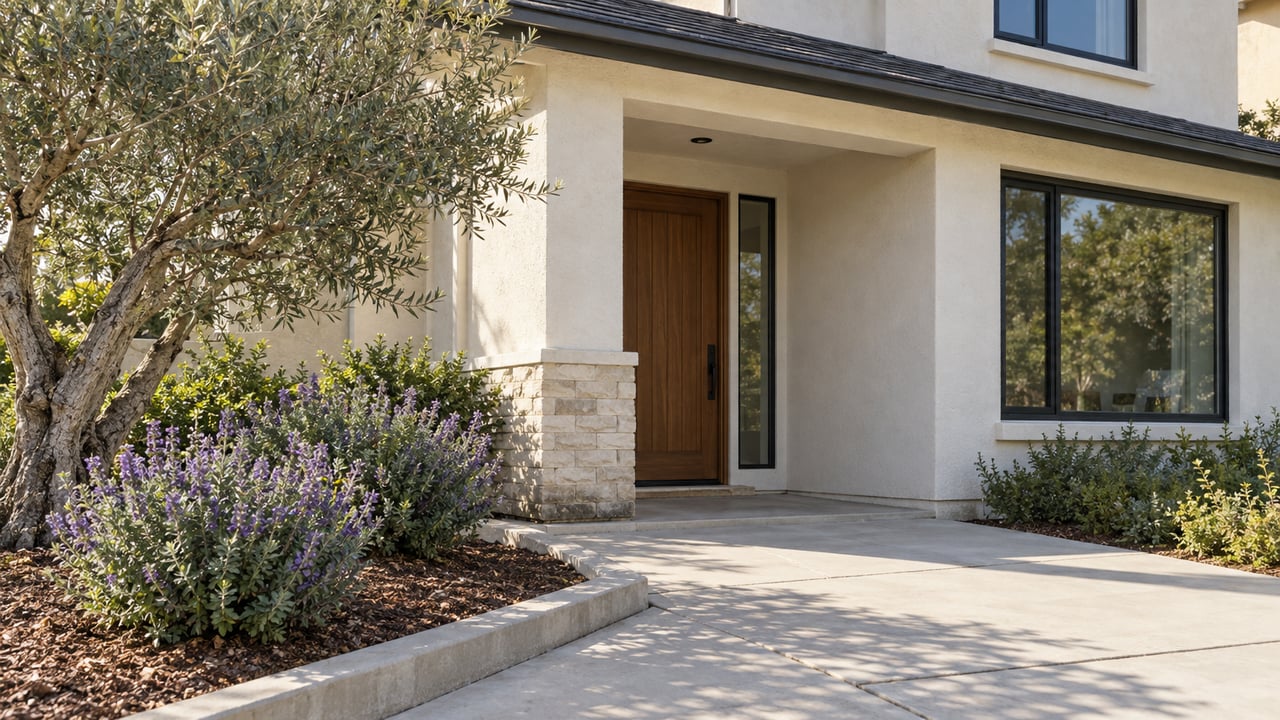
Glen Loma Ranch, on the western edge of the city, is the newest development, with modern builds, a community pool, and playgrounds, running roughly $950,000 to $1.2 million and up. Eagle Ridge, the gated golf course community west of Santa Teresa Boulevard, sits in a similar new-construction price band. Both carry the same trade-off: Mello-Roos taxes running about $3,000 to $5,000 a year on top of the regular property tax bill, plus HOA dues of roughly $150 to $250 a month.
| Area | Typical 2026 price range | Mello-Roos CFD | HOA |
|---|---|---|---|
| Downtown / Monterey Road historic | $750K–$1.1M | None | |
| East side (ranch homes, larger lots) | $850K–$950K | None | |
| Glen Loma Ranch | $950K–$1.2M+ | ~$3,000–$5,000/year | ~$150–$250/month |
| Eagle Ridge | Comparable new-construction pricing | Same Mello-Roos range as Glen Loma Ranch | Gated-community dues, varies by phase |
Put a downtown bungalow and a Glen Loma Ranch home at the same $950,000 asking price side by side, and the Glen Loma Ranch home can run $400 to $600 more a month once the special tax and HOA are added in. Over a 30-year mortgage that's not a rounding error.
The mechanism isn't unique to Gilroy. Proposition 13 capped California property taxes at 1 percent of assessed value back in 1978, which protected homeowners from runaway bills but also left cities short on the revenue that used to fund roads, sewers, and fire stations in growing areas. The Mello-Roos Community Facilities Act of 1982 gave cities a workaround: form a Community Facilities District, sell bonds against future tax revenue, and let the new homeowners in that district pay off the infrastructure they're actually using.
Gilroy's own city government describes the mechanism the same way. A CFD gets created in an area slated for development, voters within the proposed boundary approve it, and once that happens a special tax lien attaches to every property inside the line. If the project cost is high enough, the city sells municipal bonds to cover construction up front and the annual special tax pays the debt down over time. Streets, sewer systems, water systems, police protection, and fire protection all qualify.
That's why downtown Gilroy and the east side have a different infrastructure history from Glen Loma Ranch. The infrastructure under a 1920s bungalow was paid for decades ago through ordinary property tax revenue. The infrastructure under a Glen Loma Ranch home was built new, all at once, and somebody has to cover that bond.
Statewide, the pattern shows up in the numbers too. Effective property tax rates in CFD-heavy areas typically run 1.5 to 1.7 percent of purchase price once the special tax is folded in, against 1.1 to 1.3 percent in areas without a CFD. That's the range worth mentally applying to any new-construction listing in Gilroy before comparing it to an older home at the same price.
The Glen Loma Ranch Specific Plan was approved by the city back in 2005, covering roughly 359 acres in the western foothills with 145 acres set aside as parks and open space, and an allocation for up to 1,643 residential units. Construction started in 2014 and the first homes went on sale in 2016.
Part of that original 2005 agreement obligated the developer to help fund a new fire station once the project hit a certain number of completed homes. Buildout ran slower than planned, and the trigger never fired. In October 2024, the Gilroy City Council and the Glen Loma Corporation reached a new agreement on the fire station: the developer contributed $7.2 million toward construction of the Santa Teresa Fire Station, on top of an earlier $2.4 million contribution and a dedicated parcel of land near Santa Teresa Boulevard and Miller Avenue. Glen Loma Ranch representative Augie Dent described it as reflecting the developer's ongoing commitment to the community as the area continues to grow, and the mayor framed the resolution as a long-standing issue finally settled in a way that benefits the city going forward.
That $7.2 million came through a direct developer agreement, not through the neighborhood's Mello-Roos tax. Both tools solve the same underlying problem, new development needs new infrastructure and Prop 13 doesn't generate the revenue to pay for it up front, so cities lean on a mix of developer contributions and resident-funded special taxes to close the gap. For a buyer, the practical effect is the same either way: the newest neighborhoods in Gilroy are still absorbing the cost of the roads, stations, and services that make them livable, and some of that cost shows up as a recurring line item on the tax bill rather than a one-time closing cost.
According to My CA Home Loan, California law requires sellers to disclose Mello-Roos membership as part of the Natural Hazard Disclosure report on every residential resale, so the information exists in the transaction file. For new construction, a separate CFD disclosure rule applies.
For a resale inside Glen Loma Ranch or Eagle Ridge, the fastest way to confirm the actual dollar figure is the property's current tax bill. Look for a line item under special assessments or direct charges labeled with a CFD number or a community facilities district name. That line shows the exact annual obligation for that specific parcel, which matters because CFD amounts can vary by lot size, square footage, or development phase within the same neighborhood. The preliminary title report prepared during escrow is worth a second look even after the tax bill confirms one exists.
CFD bonds in California typically run 25 to 40 years from the district's formation date, and the special tax disappears once the bonds are paid off. That's a meaningfully different holding cost than a district close to retiring its bonds, and it's a fair question to ask directly rather than assume.
The Gilroy discount is real at the city level. It's the reason the county's FHA loan limit actually reaches most of the local inventory, and it's why families priced out of San Jose or Morgan Hill keep looking here first. But two homes priced identically inside Gilroy are not automatically the same purchase. A $950,000 home downtown and a $950,000 home in Glen Loma Ranch can carry a real monthly gap once the special tax and HOA dues are added to the comparison, and that gap holds for as long as the CFD bond stays outstanding.
Future buyers will run the same math when it's time to resell. A home with an active Mello-Roos assessment often gets compared against similar homes without one, and the difference tends to show up as either a longer time on market or a price adjustment rather than a full pass-through of the tax. Knowing the number early, before an offer goes in, is the difference between budgeting for it and discovering it during underwriting.
Does the Mello-Roos tax go away if I pay off my mortgage? No. The special tax is tied to the property and the CFD bond term, not to the mortgage. It continues until the bonds backing that specific district are retired, regardless of how the home is financed.
If you're comparing a resale in Glen Loma Ranch or Eagle Ridge against something on the east side or downtown and want the actual carrying-cost numbers pulled for a specific address before you write anything, Amy Martinez can get you the real figures, not just the sale price.
This article is general information, not legal, tax or financial advice. Consult a qualified professional about your situation.
Stay up to date on the latest real estate trends.
Every step—from pricing to negotiation—is handled with intention and strategy, designed to maximize outcomes and align with each client’s goals.